Soft Washing vs. Pressure Washing in Bangor, ME: What to Use and When
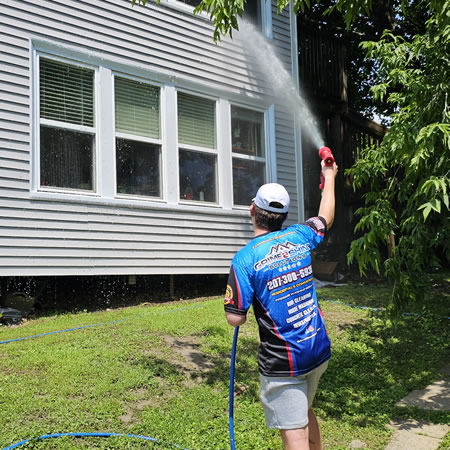
Maine weather is tough on homes. If you are comparing soft washing and pressure washing for house washing in Bangor, ME, the right choice protects your siding, trim, and roof while restoring curb appeal. This guide explains how each method works, which materials need a gentler touch, and when a stronger rinse is the smarter call. If you are ready to clean safely, see how our house washing service is tailored for Maine homes.
At Grime 2 Shine Solutions, we help homeowners decide with a simple rule: match the cleaning method to the surface and the soil. Algae on vinyl calls for a soft approach. Mud-caked concrete needs more pressure. The goal is a spotless finish without harming paint, siding, seals, or landscaping.
What Is Soft Washing?
Soft washing uses low water pressure combined with specialized detergents to remove organic growth like algae, mildew, lichen, and light grime. The water pressure is closer to a garden hose than a typical pressure washer, so it is gentle on delicate surfaces.
Professional-grade detergents are applied, allowed a brief dwell time, and then rinsed away at low pressure. This method reaches into textured surfaces and tight seams without forcing water behind siding or shingles. Homeowners in neighborhoods like Little City and Fairmount often prefer soft washing for painted wood and vinyl because it helps prevent chipping and moisture intrusion.
What Is Pressure Washing?
Pressure washing relies on higher water pressure to lift dirt, mud, and oxidation from tougher materials. With the right tips, angles, and distance, a pro can clean stubborn buildup efficiently and evenly on hard surfaces.
Used correctly, pressure washing shines on masonry, some composites, and heavy-soiled areas. Used poorly, it can scar wood, etch brick, or drive water into gaps. The difference is technique and knowing where it belongs.
Which Method Works Best for Bangor, ME Homes?
Bangor’s freeze-thaw cycles, pine pollen in spring, and humid stretches along the Penobscot River create perfect conditions for organic staining. Soft washing is usually best for siding and trim because it targets algae and mildew while protecting paint and caulking. It also reduces the chance of forcing water behind clapboards during cooler months.
Pressure washing still has a place. Entry steps crusted with winter sand, concrete foundations with road film, and some composite decks benefit from controlled higher pressure. A trained technician adjusts nozzles, distance, and flow to stay within safe limits for each material.
Siding and Surfaces: Choose With Care
Use this quick guide to match the method to the material. When in doubt, choose the gentler option and let a pro evaluate on site.
- Soft washing is preferred for vinyl siding, painted wood, fiber cement, aluminum siding, soffits and fascia, and many trim details.
- Soft washing is also used for asphalt shingle roofs and most exterior windows when included in a full home wash plan.
- Pressure washing is often suitable for brick foundations, concrete steps and patios, some stone surfaces, and certain composite materials when handled by a pro.
- Pressure washing can be used on tough stains and heavy soil, but settings must be tested and controlled.
Never use high pressure on asphalt shingles or older wood siding. These materials can shred, lift, or absorb water, which shortens their lifespan. A soft approach lengthens the time between cleanings and helps protect your investment.
How Professionals Decide: Detergent, Pressure, and Rinse
Before turning on a machine, a trained tech looks at three things: what the surface is made of, what type of soil is present, and what weather is expected. That drives the detergent mix, the pressure setting, and the rinse method. For example, green algae on north-facing vinyl in the Tree Streets area needs a mild, algae-targeting detergent and a low-pressure rinse. Sooty film near busy roads may call for a different blend.
Always test detergents on a small, hidden area first. This checks for colorfastness and confirms the right dwell time before treating a full wall. It is a small step that prevents big headaches.
Seasonal Timing in Maine
Timing matters in Bangor. Spring cleaning removes winter grit and pollen so stains do not set. Mid to late summer clears algae that thrives during humid spells. Early fall washing preps the exterior for cold weather and helps trim dry fully before freezes.
Avoid washing below 40°F due to icing and safety risks. In shoulder seasons, start later in the morning and end earlier so surfaces can dry with daylight. A local schedule keeps your siding cleaner for longer and protects caulk lines from repeated freezing while wet.
Local tip: Homes near tree cover or along the river see faster algae regrowth. Scheduling soft washing every 12–24 months, based on shade and airflow, keeps stains from becoming permanent. Ask us to set a simple reminder so you never miss the best weather window.
Protecting Paint, Plants, and Seals
Great results are not just about clean siding. They are about what stays safe during the wash. Professionals pre-wet landscaping, keep mixes off delicate leaves, and rinse shrubs afterward. Window seals and door thresholds are kept out of direct spray. Porous masonry is rinsed methodically so residue does not dry in streaks.
For painted wood, soft washing preserves paint adhesion by avoiding aggressive blasting. For aluminum or fiber cement, the right chemistry loosens the grime so low pressure can rinse it away. On brick, a pro may use lower pressure and a fan tip to avoid etching mortar joints.
Common Trouble Spots Around Bangor Homes
We see predictable patterns across Bangor, Brewer, and nearby towns. North-facing walls grow green first. Shaded eaves streak with mildew. Grit from winter sanding collects on lower courses of siding and foundation ledges. Driveway splash-back can spot the first two feet of siding with road film after storms.
These stains look different but share the same fix: select the right method and treat the source. Softer chemistry handles organic growth. Calibrated pressure removes mineral grit on concrete and masonry. The first step is choosing the right lane, not turning up the power.
When to Avoid High Pressure
There are times when more power is the wrong move. Older clapboard homes with hairline paint cracks can wick water if blasted. Soft wash cleans without pushing moisture into seams. Thin vinyl can warp under aggressive nozzles. Soft wash protects the profile and sheen.
Roof shingles are a clear no for pressure. A low-pressure, detergent-based process is the accepted approach to protect shingle granules. On window and door trim, a soft rinse avoids breaking seals and helps prevent leaks after the wash.
Our Process for Safe, Lasting Results
Here is how Grime 2 Shine Solutions approaches each project in a way that fits Maine homes and weather:
We inspect materials, note shade patterns, and identify stains. We choose detergents for the specific growth or grime. We protect plants and fixtures, apply gently, allow proper dwell time, then rinse at the lowest effective pressure. Finally, we walk the property with you to confirm a consistent finish.
If you want to see how this translates to your home, explore our full residential pressure washing options to understand what else can be bundled with a siding wash for a complete refresh.
Soft Washing vs. Pressure Washing: Quick Scenarios
Every home is different, but these simple scenarios show how we decide in the field:
If your vinyl on the shaded side has green streaks and your painted porch rails look dull, soft wash both. If your concrete steps are gritty from winter sand and your brick threshold is dark, targeted pressure with the correct tip can help the masonry without touching the siding.
For composite trim with oxidation, the safer path is chemistry plus light rinsing, not power. When the job combines both types of surfaces, we stage the work so the right method is applied in the right areas, in the right order.
Property Managers and Multi‑Unit Homes
Bangor’s rental market and HOAs often need a mix of gentle care and efficient cleaning. A soft wash brightens siding across buildings without disturbing tenants or landscaping. Selective pressure removes buildup on shared concrete entries and dumpster pads. If you maintain apartments or commercial spaces, our commercial pressure washing services pair well with scheduled house-side cleaning for a crisp, uniform look.
Preventing Premature Wear
Using the wrong method costs money over time. Over-aggressive washing can lift paint, open up caulk lines, and force water into sheathing. Choosing the right process extends the life of finishes and reduces repaint cycles. That is why a site visit matters more than any one-size-fits-all promise.
Ask for a written process and detergent list before any wash. Clear expectations protect your home and set the standard for results. It also makes seasonal touch-ups easier because the next crew knows what worked.
Why Local Experience Matters
Knowing the rhythms of Bangor weather helps us schedule work on the right days and rinse in the right order. Coastal wind is not a big factor here, but river breezes can move mist. We adapt setups to keep overspray off neighboring properties and gardens. In neighborhoods with tight lot lines, we use shorter wand sections and controlled angles to stay precise.
We are also mindful of dryer vents, exterior outlets, and foundation vents on older homes. These are tiny details with big impact on safety and comfort after the wash.
See Results and Plan Your Next Clean
If your siding shows green streaks or chalky film, start with a professional evaluation. The best plan balances cleaning power and protection so you do not repaint or replace early. You can read more about our approach to house washing and how we stage projects around Maine’s seasons.
For homeowners who like a single point of contact, bookmark our homepage and learn more about house washing in Bangor, ME along with other exterior services that keep your property looking its best year-round.
Ready for a Clean Home in Bangor, ME?
Choose the right method for your siding, trim, and roof, then let a local pro handle the details. Call Grime 2 Shine Solutions at 207-300-5935 to schedule a friendly walkaround and plan your next wash. If you prefer to start online, review our approach to safe, effective house washing for Maine homes and request a quick call back.

Let Us Wash The Algae Away.
Contact Our Bangor Pressure Washing Specialists Today For A Free Estimate!